By CEO Kane White
In a world where your smartphone unlocks doors, pays for coffee, and even vouches for your identity at the doctor's office, digital IDs are no longer the stuff of science fiction; they're the quiet revolution unfolding right now, and I think this is scary. These electronic passports to our lives promise seamless access to services, from banking to healthcare, but they also cast long shadows over privacy, security, and economic freedom. As governments and tech giants roll out these systems at breakneck speed, let's unpack the ripple effects in the latest developments.
At their core, digital IDs are government-backed digital credentials that verify who you are online or in person, often linked to biometrics like fingerprints or facial scans. By 2025, the global digital identity market will have ballooned to $64.44 billion, on track to nearly double to $145.80 billion in the coming years, pumped by a surge in demand for secure, frictionless transactions. This growth isn't just numbers on a spreadsheet; it's transforming economies. Projections suggest digital ID programs could unlock economic value equivalent to 3–13% of GDP by 2030, with emerging markets poised for the biggest windfalls as they leapfrog outdated paper systems.

Yet, beneath this glossy efficiency lies a web of vulnerabilities. Over 850 million people worldwide still lack official identification, leaving them on the fringes of digital economies, and even those with IDs face new perils. Cyberattacks on centralised ID systems could expose personal data on a massive scale, while state surveillance risks turn everyday interactions into traceable footprints. In the U.S., for instance, new legislation in states like New Jersey is scrambling to erect guardrails against these threats, acknowledging how digital IDs could inadvertently amplify privacy erosions in sectors like healthcare. Financially, the stakes are stark: UK Finance estimates that by 2025, half of all bank fraud will stem from identity-related breaches, underscoring how these systems, while innovative, are double-edged swords.
On the flip side, proponents argue that digital IDs could foster a more equitable landscape. By putting citizens in control of their data, through verifiable credentials that don't require sharing complete profiles, they promise enhanced security over clunky legacy methods. In payments alone, they're opening doors for the unbanked, potentially revolutionising access to inclusive financial services and spurring sustainable growth through fairer markets. But as adoption accelerates, so do the fault lines: exclusion of marginalised groups, heightened cyber risks, and a subtle shift toward centralised oversight that could redefine personal autonomy.
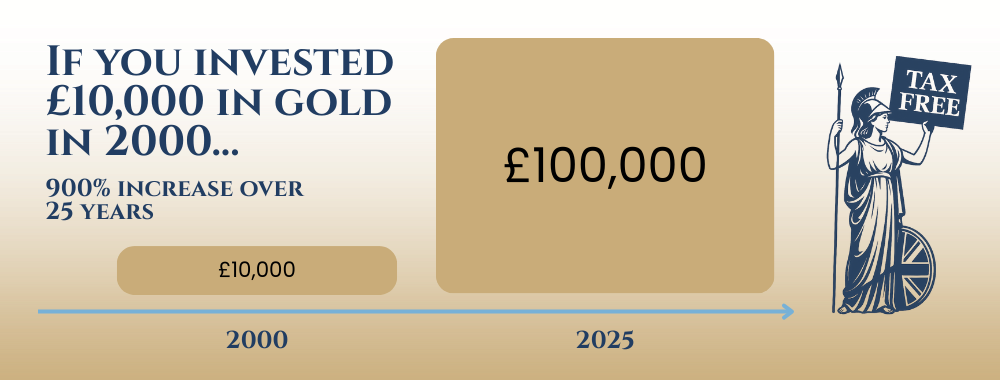
In this digital tapestry, where convenience collides with caution, timeless assets like gold emerge as unyielding anchors. Untethered from networks or databases, gold stands as a physical bulwark against the uncertainties of an increasingly wired world, its enduring value a quiet testament to resilience in eras of flux. As we step further into this digital dawn, the gleam of such steadfast holdings reminds us that some foundations never fade.